Hedge Trimming in Swiss Cottage
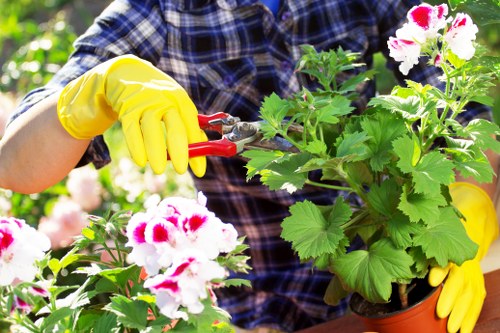
Our hedge trimming in Swiss Cottage is set up to keep domestic and commercial boundaries neat, balanced and under control. We trim formal hedges, shape softer garden edges and reduce overgrown growth with attention to the plant type, the season and the finish you want. The aim is straightforward: clean lines, healthy regrowth and a sharper look without cutting more than is needed.
We handle regular maintenance cuts as well as one-off restorative work when hedges have become uneven or difficult to manage. That can include light tidying after a growth spurt, more careful reduction to improve symmetry, and selective work where the hedge needs to remain dense rather than stripped back. If you need hedge trimming as part of broader garden maintenance, we can also keep the rest of the space orderly at the same time.
For a quotation, the most useful details are the hedge type, its approximate length and height, and whether it is a simple trim or a heavier cut-back. A clear brief helps shape the right approach, especially where access, neighbours or waste removal need to be considered. If you are ready to begin, send the basics and ask for a quotation.
Hedge shaping and routine maintenance
Regular hedge trimming is not only about appearance. Trimming at the right point in the growth cycle helps maintain density, encourages a more even outline and stops one side from dominating the other. We work on hedges that frame front gardens, enclose rear plots, edge driveways or define boundaries, keeping the finish tidy and consistent. For many properties, the most effective plan is a simple maintenance schedule rather than waiting until the hedge has become difficult to bring back into shape.
Different hedges need different treatment. Some respond well to light, frequent cuts, while others need a more measured approach so the cut surfaces do not look harsh. We can trim top growth, pare back the sides, and help restore a hedge that has become wider at the base or heavy at the top. Where a hedge sits alongside a path or drive, a neater profile can also improve movement and sightlines without changing the character of the planting.
What a trimming visit can cover
- Light shaping to maintain a tidy outline
- Seasonal reduction where growth has become uneven
- Selective cutting to preserve density and privacy
- Pruning for cleaner edges along paths, fences or walls
Hedges, boundaries and access points
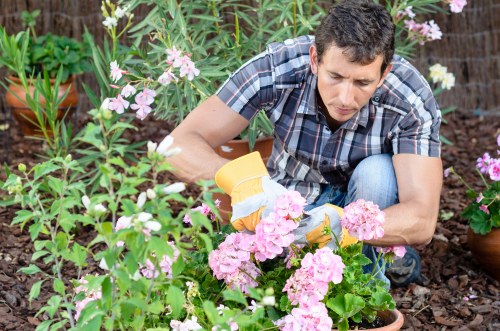
Some hedges need more than an even cosmetic cut. A hedge close to gates, shared boundaries or narrow access points may need its shape adjusted so it remains practical as well as neat. We can reduce overhang, open up congested areas and make the line of the hedge easier to maintain in future. Where growth has spread into walkways or around doors, more careful trimming can restore a clear route while keeping the planting intact.
There is also a difference between a hedge that simply needs trimming and one that has become structurally unbalanced. In those cases, the work is usually planned in stages so the plant is not shocked by an abrupt reduction. That may mean taking less from the top in one visit, or easing back the sides gradually so the hedge keeps a stable shape. This approach is often better for the long-term look of the garden than a severe one-off cut.
Before work begins, it helps to know whether you want a formal squared finish, a softer rounded profile or a more natural boundary line. A brief description is usually enough, along with any points you would like kept clear. If you are comparing options, you can also look at our services overview to see how hedge trimming sits alongside related garden work.
Managing heavier growth and overgrown hedges
When a hedge has been left for longer than intended, the work shifts from routine maintenance to recovery. An overgrown hedge may need a fuller reduction, but the exact amount removed depends on the species, the time of year and the shape you want to keep. We aim to restore control without creating an unfinished or patchy appearance. This is especially important where the hedge forms part of the front of a property and needs to look presentable from the street.
Heavier work often benefits from a careful, staged plan. The hedge may first be rebalanced, then brought to a more manageable height or width, with finer shaping used to finish the profile. In some cases, the lower sections need more light and space once the top has been opened up. We handle the trimming with that longer-term structure in mind rather than treating every hedge as though it needs the same cut.
Good hedge work balances appearance and regrowth. Cutting too hard in the wrong places can leave gaps or stress the plant, while trimming too lightly may not solve the problem at all. If you are unsure how much work is needed, ask for guidance and a quotation after describing the current condition.
Related garden services when the hedge is part of a wider job
Many customers want more than a single hedge cut, especially when the garden has several areas that need attention together. We can combine hedge trimming with broader garden care where that makes practical sense, including lawn work, general tidy-up tasks and selected clearance around the space. Keeping these jobs under one plan can make the final result look more coherent, particularly where the hedge line, lawn edge and boundary planting all meet.
We also offer other outdoor services that may be useful if the hedge is only one part of the work required. For example, you may want to arrange regular garden maintenance to keep growth under control through the seasons, or book lawn mowing at the same time so the grass and hedge are finished to a similar standard. Where old clippings or surplus garden waste need clearing away, garden clearance can be a practical follow-on. This keeps the site tidy and avoids leaving cuttings piled up after the trimming is complete.
For more substantial outside improvements, hedges can also sit within a wider redesign or renewal plan. If you are thinking beyond routine maintenance, landscape gardening and landscaping may be relevant, especially where beds, boundaries and planting all need a coordinated finish. Our role on this page is the hedge itself, but it is often part of a wider outdoor picture.
About Swiss Cottage
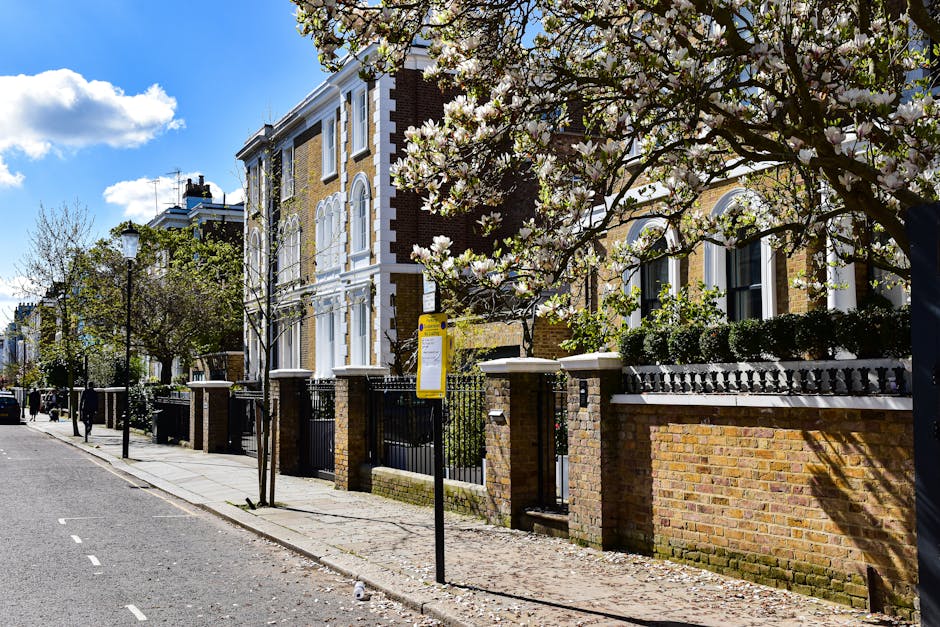
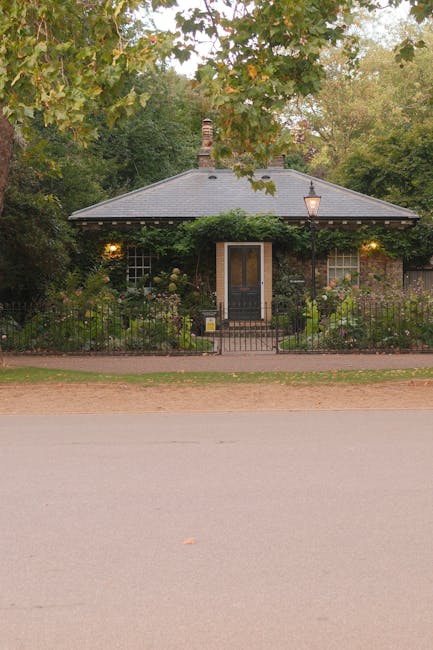
Swiss Cottage is a district in north-west London, within the London Borough of Camden, and is generally associated with the junction where Finchley Road meets Avenue Road. The area takes its name from an inn that once stood nearby, the Swiss Tavern, which gave rise to a local label long before the present transport and residential character took shape. Today it sits between larger well-known parts of Camden and Hampstead, with a strong urban identity of its own. The locality includes a mix of mansion blocks, terraces and later development, reflecting the steady layering of London building styles over time. The immediate surroundings are shaped by busy road corridors, residential side streets and civic buildings, rather than by a single historic centre in the old market-town sense. Swiss Cottage Underground station, on the Jubilee line, reinforces its role as a transport node, linking the area to central and outer parts of the city. Near it is the well-known Swiss Cottage Library, part of Camden’s public architecture from the post-war period, and the broader district also sits close to cultural and educational institutions around the Finchley Road corridor. The area’s built environment is therefore a combination of everyday residential London, movement through major roads, and pockets of distinctive modern and earlier architecture. Nearby open spaces such as Primrose Hill and Regent’s Park add to the wider setting, even though they sit outside the district itself. In that sense, Swiss Cottage is best understood as a compact but important urban neighbourhood, defined by connectivity, varied housing and the continuing presence of well-used civic and commercial routes.
How we plan hedge trimming work
Clear planning makes hedge trimming more efficient and produces a better finish. Before work is arranged, it helps to think about the hedge’s current condition, whether you want a light tidy or a more noticeable reduction, and if there are any sections that should be left alone. We use that information to shape the work in a way that suits the hedge rather than forcing it into a standard pattern. The result is usually more even, more natural and easier to maintain afterwards.
There are also practical points that can affect the job. Access to the hedge, nearby surfaces, height, waste volume and the presence of shared boundaries all matter. A hedge in a rear garden may need a different setup from one in a front boundary or beside a driveway. Where the hedge is near structures, we take care with the cut lines so the finished shape sits comfortably within the available space. If you have photographs, they can help describe the task, but they are simply useful background rather than a requirement.
Information that helps shape a quotation
- Approximate hedge height and length
- Whether the hedge needs routine trimming or heavier reduction
- Any access issues or boundary considerations
- Whether cuttings should be cleared away
Finishing standards and waste handling

A good hedge finish is usually visible in the details. Clean edges, a consistent top line and balanced sides all help the hedge look cared for without appearing overworked. We pay attention to those finish points because a hedge can be technically cut back yet still look untidy if the profile is uneven. That is why the final shaping matters just as much as the initial reduction, especially where the hedge is part of the first impression of a property.
Clippings also need to be dealt with properly. Depending on the amount of material produced, waste may need gathering and removal after the trimming is complete. This is particularly useful where dense hedges shed a large volume of cuttings that would otherwise blow around paths, driveways or planting beds. A tidy finish means more than a neat hedge face; it also means the surrounding ground is left in a manageable condition.
Some customers prefer to coordinate hedge work with other outdoor tasks so the garden is completed in one visit rather than piecemeal. If that suits your plan, you can review pricing and quotes before asking for a quotation, or contact us once you know the scope you want carried out. Keep the message simple: the hedge, the location and the kind of finish you are after.
Why hedge maintenance matters through the seasons
Hedges change through the year, and the best result often comes from timing rather than force. Fresh growth is usually easier to shape cleanly, while very old or woody growth may need a more cautious approach. Regular attention helps avoid a hedge becoming too wide, too tall or too heavy at the top. It also supports a more orderly look along fences, garden edges and property boundaries, which is especially useful where the hedge does a lot of visual work in a small space.
Seasonal changes can alter how quickly a hedge recovers after trimming. Some hedges tolerate frequent cuts, while others benefit from less frequent but more considered work. We approach each hedge with that in mind, adapting the method to the plant and the desired finish. The goal is to keep the hedge functioning as a boundary, screen or feature without cutting it so hard that it loses its shape or vitality. If you want to compare our broader service approach, the main page sections above explain how we handle routine and heavier work differently.
Where hedge trimming forms part of a longer-term garden plan, it can also sit alongside tree lopping and removal if nearby trees are casting too much shade or affecting the shape of the hedge. In some gardens, both need attention to keep the overall planting balanced. The important point is to treat each element on its own merits rather than assuming one cut suits everything.
Arrange your hedge trimming quotation

If your hedge is due for attention, the next step is simple: tell us what needs trimming, where the hedge is and whether you want a tidy maintenance cut or a more involved reduction. That is usually enough to begin preparing a quotation. We keep the process straightforward, and we will focus on the practical details that affect the work rather than unnecessary extras. If the hedge is part of a broader outdoor plan, you can mention that too.
We can also help when hedge trimming needs to fit around other useful information such as access, waste collection or boundary concerns. A short written description is often enough to set things moving, though some jobs are easier to understand with a photograph. The aim is to match the work to the hedge and the garden, so the quotation reflects the actual task rather than a generic assumption. If you are ready to proceed, ask for a quotation and we will take it from there.
The best time to enquire is when you know the hedge has either outgrown its shape or simply needs regular upkeep to stay neat. You can use the contact page for that final step, and we will respond to the details you provide. Ask for a quotation today.