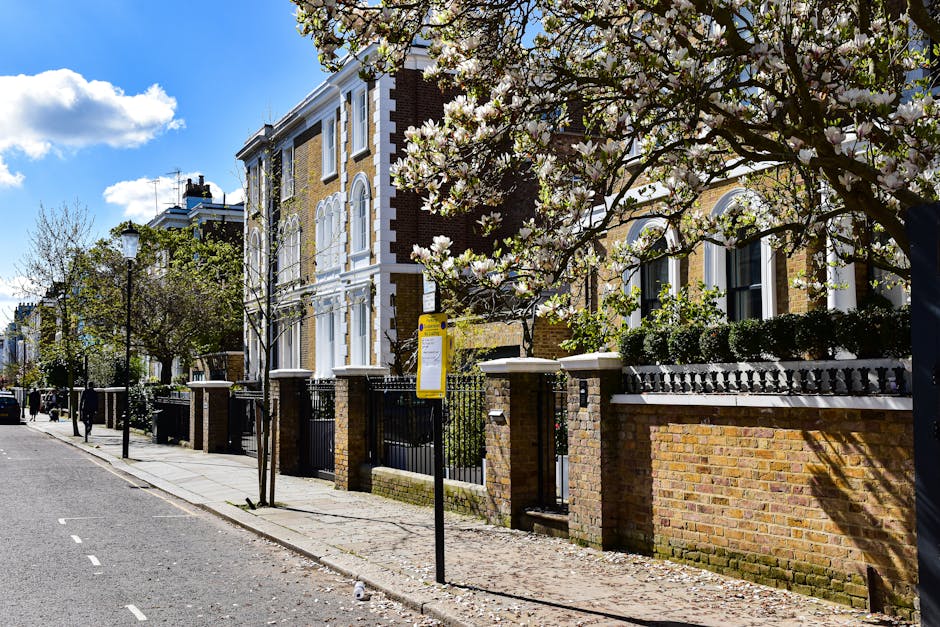
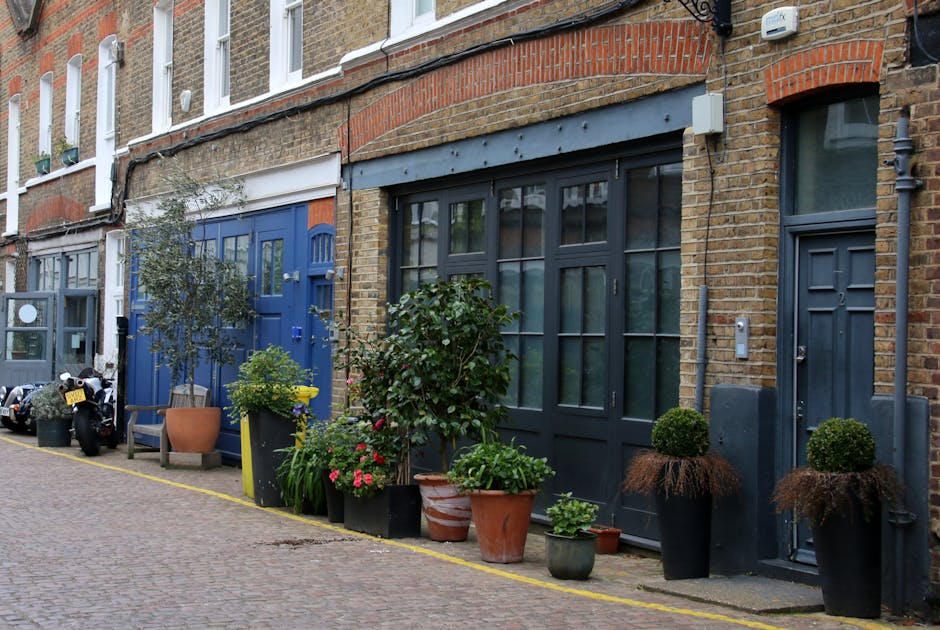
Top gardening services for flats on Finchley Road NW3
If you live in a flat on Finchley Road NW3, garden care can feel oddly complicated. You may have a balcony that gets blasted by wind, a shared courtyard that nobody quite "owns", or a small planted frontage that looks lovely in spring and tired by August. That is where Top gardening services for flats on Finchley Road NW3 really earn their keep: they make compact, shared, and hard-to-reach spaces look good without turning your week upside down.
This guide walks through what the service actually covers, how it works in practice, who needs it most, and how to choose the right help for your building. We will also look at practical checks, common mistakes, and the kind of service details that matter in London flats, where access, neighbours, drainage, and time windows can be the difference between tidy and chaotic. Truth be told, a good gardening service is often less about fancy planting and more about making the space usable, safe, and easy to maintain.
Whether you are a resident, a landlord, a managing agent, or part of a residents' association, this should give you a clear, realistic picture of what to expect. And if you already know your flat needs a more regular hand, you will also find some useful internal pages to explore along the way, such as garden maintenance services, lawn care, and hedge trimming and shaping.
Table of Contents
- Why Top gardening services for flats on Finchley Road NW3 Matters
- How Top gardening services for flats on Finchley Road NW3 Works
- Key Benefits and Practical Advantages
- Who This Is For and When It Makes Sense
- Step-by-Step Guidance
- Expert Tips for Better Results
- Common Mistakes to Avoid
- Tools, Resources and Recommendations
- Law, Compliance, Standards, or Best Practice
- Options, Methods, or Comparison Table
- Case Study or Real-World Example
- Practical Checklist
- Conclusion
- Frequently Asked Questions
Why Top gardening services for flats on Finchley Road NW3 Matters
Flats are different from houses. That sounds obvious, but the garden side of it is where people get caught out. A flat might have no ground garden at all, only a balcony planter and a shared entrance bed. Another might have a communal courtyard tucked behind the building, or a roof terrace that looks calm on a sunny afternoon but gets brutally exposed when the weather turns. Finchley Road NW3 adds its own rhythm too: busy streets, mixed building types, and a lot of shared living arrangements where one person's "quick tidy-up" can affect everyone else.
In those settings, professional gardening support is not just about appearance. It helps with access, safety, neighbour relations, and long-term plant health. When planting is ignored for too long, small issues pile up: blocked drains, overgrown edges, dead pots, slippery moss, or shrubs that start to obscure entrances and windows. It is the sort of thing you barely notice at first, then suddenly it feels bigger than it should.
For flats, the best gardening service usually balances three things: compact-space practicality, shared-space sensitivity, and regular, predictable maintenance. That is what turns a nice-looking communal area into something genuinely useful for residents. If you are already comparing broader outdoor care options, it can help to read the page on seasonal garden clearance as well, because flats often need a different approach in spring and autumn than they do in mid-summer.
A well-kept flat garden is not just decorative. It reduces friction between neighbours, protects the building's first impression, and makes small outdoor areas feel like actual living space.
How Top gardening services for flats on Finchley Road NW3 Works
Most flat-based gardening services start with a site visit or a quick review of the outdoor space. That first look matters more than people expect. A balcony with shallow planters, for example, needs very different care from a shared front garden with shrubs and turf. Access also matters: can tools be carried through communal hallways, or is there side access? Is water available? Are there time restrictions because the work is in a managed building? These little questions shape the whole job.
From there, the service is usually organised around a maintenance plan. For some flats, that means weekly or fortnightly attention. For others, a monthly visit is enough, plus occasional seasonal work. In our experience, the best results happen when the work is planned around the building's actual use. A courtyard used by families may need more frequent tidying than a decorative entrance bed that is mostly seen from inside.
The service itself often includes a mix of tasks:
- planting and pot refreshes
- leaf clearance and debris removal
- hedge cutting and light pruning
- weeding and border tidy-up
- lawn mowing or grass edging where relevant
- balcony planter care
- watering support during dry spells
- seasonal bedding changes
For more specialist work, a provider may combine regular maintenance with one-off services such as tree pruning or patio cleaning. That mix is often useful in flat developments, because not every area needs the same level of attention. Some corners simply need a quick sweep and a trim. Others need a proper reset.
One thing people sometimes overlook: flat gardening is as much about coordination as it is about horticulture. The gardener may need to work around cleaners, building staff, residents, or parcel deliveries. That sounds minor, but it saves a lot of awkwardness later on. Does the job need to happen before 10 am? Is noise an issue? Are there pets nearby? These details make a real difference.
Key Benefits and Practical Advantages
The obvious benefit is a better-looking outdoor space. But the real value goes beyond "nice to look at". A good gardening service can make a flat feel calmer, cleaner, and easier to live with. Small spaces show mess quickly, so regular care keeps them from going from "cosy" to "a bit neglected" in no time at all.
- Better kerb appeal: A tidy frontage or shared entrance improves first impressions for guests, buyers, and tenants.
- Less hassle for residents: No one has to argue over who should water the plants or cut back the ivy.
- Healthier plants: Regular care prevents root crowding, overwatering, and seasonal dieback becoming bigger problems.
- Safer access: Clear paths, trimmed growth, and removed debris reduce slips and trip hazards.
- Better use of small spaces: A tiny terrace or courtyard can feel much larger when it is organised well.
- More reliable budgeting: Scheduled maintenance is usually easier to plan for than repeated emergency callouts.
There is also a quieter benefit: mental ease. A well-kept green space makes everyday life feel less cramped. You notice it when you step outside with a mug of tea on a grey morning and the area still feels looked after. Not glamorous, maybe. But nice. Really nice, actually.
If the building has several common outdoor elements, it can be useful to combine services. For example, pairing planting care with weed control and dead plant removal can stop a small issue from dragging down the whole area. That kind of joined-up maintenance tends to work better than doing one-off fixes in isolation.
Who This Is For and When It Makes Sense
This service suits a few different people, and their needs are not always the same. A resident on the top floor with a private roof terrace wants something different from a block manager overseeing a communal courtyard. Still, the same core idea applies: if the space is used, seen, or shared, professional care can save time and avoid problems.
Typical users include:
- Flat owners who want a balcony, terrace, or shared garden to stay tidy without doing the work themselves.
- Landlords who need the property presented well between tenancies.
- Managing agents responsible for shared outdoor areas and resident expectations.
- Residents' associations looking for a practical maintenance arrangement.
- Letting managers who need quick, reliable upkeep before viewings or inspections.
It makes sense especially when the space has a few awkward traits: poor access, exposed planting, limited storage for tools, or multiple people using the same area. If you have ever seen a communal bed get slowly swallowed by weeds because "someone else will sort it", you will know exactly why these services exist. Well, that and because most people have jobs, families, and better things to do on a Tuesday evening than wrestle with a hedge trimmer.
It is also sensible when the outdoor space forms part of the building's value. On Finchley Road NW3, presentation matters. A clean, maintained entrance area or terrace can help a flat feel more complete. If the wider building maintenance picture interests you, the page on grounds maintenance is worth a look because it explains the broader upkeep side that often sits behind gardening work.
Step-by-Step Guidance
If you are arranging gardening services for a flat, it helps to break the process into simple steps. That keeps the whole thing practical rather than vague.
- Identify what space you actually have. Balcony, roof terrace, shared courtyard, front planting, side access, or all of the above. Each one needs a different plan.
- Note the current condition. Are you dealing with overgrown plants, poor drainage, tired pots, moss, or just a need for regular upkeep?
- Clarify who approves the work. In shared buildings, one resident's okay is not always enough. Check leasehold or management arrangements where needed.
- Set the priorities. Safety, appearance, wildlife-friendly planting, low maintenance, or all-season colour? You probably cannot maximise every goal at once.
- Agree access and timing. Confirm entry, parking, working hours, and any building rules. This is boring but important.
- Choose a maintenance rhythm. Weekly, fortnightly, monthly, or seasonal visits. The right frequency depends on plant type and exposure.
- Review after the first visit. Good services improve with feedback. A balcony facing strong wind may need different watering or pot positioning than expected.
Simple enough on paper, but in real life a bit of coordination goes a long way. If the building has persistent pest or moss issues, pairing the schedule with moss removal or pressure washing can be sensible, though the exact approach should match the surface and the property type.
One useful habit: take photos before and after each visit for the first month. Not because you are being fussy. Because it helps everyone agree on what "done properly" means. That saves hassle later.
Expert Tips for Better Results
Good flat gardening is often about restraint. People see a small space and want to fill it with lots of plants, decorative pots, and trailing features. That can work, but only if the layout is sensible. Otherwise, the space gets crowded quickly, and maintenance becomes a chore.
What usually works best
- Choose fewer, stronger plants. In compact areas, structure matters more than quantity.
- Use containers with enough depth. Thin pots dry out fast and stress roots.
- Match plants to light and wind. A sunny sheltered terrace and an exposed upper-floor balcony are not the same thing.
- Build in easy access for watering. If watering is awkward, it often gets skipped.
- Plan for winter as well as summer. Evergreen structure and hardy planting keep spaces from looking empty when flowers fade.
Another tip: avoid making every decision based on peak summer appearance. That is a classic mistake. A space can look lush in June and be miserable by October if it is under-planted, badly drained, or too fragile for the weather. To be fair, London weather likes to remind us who is in charge.
Seasonal pruning and tidy-up work also matters more than people think. A light trim at the right time often keeps plants healthier than waiting for a dramatic cut-back. If you need that kind of support, the service page for shrub maintenance may be useful as part of a broader plan.
Expert summary: For flats, the best gardening service is usually the one that keeps the space tidy, low-fuss, and appropriately scaled. Not the one that adds the most features. Less drama. More consistency.
Common Mistakes to Avoid
It is surprisingly easy to get flat gardening wrong, especially when the space is small and shared. A few common mistakes keep cropping up.
- Choosing high-maintenance plants for a low-maintenance building. That mismatch causes ongoing frustration.
- Ignoring access issues. If the gardener cannot get in easily, the job becomes slow, expensive, or inconsistent.
- Overcrowding containers. Too many plants in one pot leads to weak growth and constant watering needs.
- Skipping seasonal work. A flat garden that is never cut back or refreshed starts to look tired very quickly.
- Assuming one person can manage a shared space alone. That usually leads to awkward conversations later.
- Not setting expectations. "Make it look nice" is too vague. Say what you want trimmed, replaced, watered, or left alone.
There is another one that gets overlooked: assuming the cheapest option is the best value. Sometimes low quotes leave out disposal, follow-up visits, or any real seasonal planning. Then you end up paying again. And again. A slightly higher but clearer service can work out better in the long run.
If your building has outdoor storage or waste clearance needs, you may also want to explore garden clearance. Flat properties often need that level of help after a long winter or a tenancy change, when the space has simply been allowed to slide for a while.
Tools, Resources and Recommendations
Even when a professional handles the main work, it helps to know what good flat gardening usually relies on. That makes conversations easier and helps you judge whether the service is set up properly.
| Tool or resource | Why it matters for flats | Best used for |
|---|---|---|
| Lightweight pruning tools | Easier to move through stairwells and communal access points | Small shrubs, deadheading, tidy shaping |
| Watering cans or compact hoses | Useful where tap access is limited | Balconies, terraces, container plants |
| Quality containers with drainage | Helps prevent waterlogging and root stress | Balcony and roof planting |
| Seasonal planting plan | Keeps the space looking intentional all year | Entrance beds, courtyards, statement planters |
| Waste removal arrangement | Stops clippings and debris from piling up in shared areas | Routine maintenance and clearance jobs |
Recommended service mix? For most flats, start with a regular maintenance plan, then add seasonal refreshes and targeted one-off tasks where needed. If the space is especially busy or visible, a combined approach with planting services and seasonal tidy-ups is often the neatest option.
There is no prize for overcomplicating it. A practical setup tends to last longer and cost less in the end. A simple routine, well kept, usually wins.
Law, Compliance, Standards, or Best Practice
For flat gardening, the main compliance issues are usually practical rather than dramatic. That said, they still matter. Shared buildings in London often have lease conditions, management rules, access arrangements, and noise expectations that shape what can be done and when.
Some points to keep in mind:
- Access and permission: Make sure the person arranging the work has the authority to do so, especially in communal areas.
- Waste handling: Green waste should be removed and handled responsibly, with disposal arranged in line with normal local practice.
- Noise and timing: Battery tools and hand tools are often preferable in shared settings because they are less intrusive.
- Surface protection: Roof terraces, balconies, and paved areas may need care to avoid staining, drainage issues, or surface damage.
- Working safely at height: Anything involving ladders, rooftop access, or awkward edges should be treated with caution and suitable equipment.
Best practice in a flat setting also means keeping neighbours in mind. That sounds simple, but it is a real part of the job. A quick heads-up about timing can prevent annoyance, especially where access routes are shared or where tools might create noise early in the day.
If you are unsure what is allowed in your building, ask the managing agent or freeholder before commissioning larger work. Better to check first than to create a small dispute over a hedge cut or planter placement. Nobody needs that sort of drama on Finchley Road, honestly.
Options, Methods, or Comparison Table
Different flat setups call for different gardening approaches. Here is a simple comparison to help you match the service to the space.
| Option | Best for | Strengths | Possible drawbacks |
|---|---|---|---|
| Regular maintenance visit | Shared courtyards, entrance planting, simple balcony care | Reliable, tidy, predictable | May not handle major one-off overgrowth on its own |
| Seasonal refresh | Spaces that need spring and autumn updates | Improves appearance and plant health | Less suitable as the only form of ongoing care |
| One-off clearance | Overgrown or neglected flat gardens | Fast reset, useful after vacancy or poor upkeep | Without follow-up, the problem often returns |
| Combined grounds and gardening plan | Managed buildings with multiple outdoor areas | More coordinated, better for larger blocks | Needs clearer scheduling and budget planning |
For many flats, the sweet spot is a regular visit plus seasonal adjustments. That gives you consistency without overcommitting. If the outdoor area includes hard surfaces as well as planting, a broader approach with driveway and path cleaning can help the whole space feel properly maintained.
Case Study or Real-World Example
Imagine a small block near Finchley Road with six flats, a front planting strip, and a shared rear courtyard. At first glance, it sounds easy. In reality, the strip is shaded by part of the building, the courtyard gets very dry in summer, and nobody wants to store tools inside the communal hallway. Classic flat-garden problems, really.
The first step is not to "beautify" everything at once. It is to stabilise the space. A sensible plan would begin with:
- cutting back overgrowth around the entrance
- removing dead and struggling plants
- checking drainage around the paved courtyard
- replacing a few containers with tougher, better-draining ones
- setting a monthly maintenance routine
After that, the space could be improved gradually. A few hardy shrubs, simple evergreen structure, and seasonal container planting would make the area feel deliberate rather than improvised. The residents would not need constant input. The gardener would not need to wrestle the same problem every visit. Everyone wins, and that is rare enough to mention.
What changed most? Not the plant count. The rhythm. Once the maintenance became regular, the space stopped slipping backwards. That is often the real difference between a flat garden that feels cared for and one that feels abandoned between random fixes.
Practical Checklist
Use this checklist before booking gardening help for a flat on Finchley Road NW3.
- Identify whether the area is private, shared, or both
- List the exact parts of the space that need attention
- Check access details, entry times, and any building restrictions
- Decide whether you need regular care, one-off clearance, or seasonal visits
- Confirm how green waste will be removed
- Ask what tools and methods will be used in a shared setting
- Confirm whether watering, planting, and pruning are included
- Set a realistic maintenance schedule
- Speak to neighbours or the managing agent if the area is communal
- Review photos or notes after the first visit so expectations stay aligned
If you tick most of those off, you are already ahead of the curve. Not fancy, just effective.
Get a free quote today and see how much you can save.
Conclusion
The best gardening support for flats on Finchley Road NW3 is not about doing more. It is about doing the right things consistently, in a space that is often small, shared, and a little bit awkward to manage. When gardening is planned well, it reduces hassle, improves appearance, and makes everyday life feel calmer. That matters more than people sometimes realise.
If your flat has a balcony that needs regular care, a courtyard that is drifting, or a shared planting area nobody quite has time to manage, a structured service can make a real difference. Start with the size of the space, the level of use, and how much responsibility you want to keep in-house. Then choose a plan that feels realistic. That is the bit that lasts.
And if you want to build a broader maintenance picture around your outdoor space, you may also find it useful to explore ongoing garden maintenance and related support pages as your next step. Small spaces are still worth proper care. Maybe especially small spaces.
Frequently Asked Questions
What do gardening services for flats usually include?
They usually cover tidying, pruning, weeding, planting, watering support, leaf clearance, and seasonal maintenance. For flats, the service is often adapted to balconies, terraces, courtyards, or small communal spaces rather than large private gardens.
How often should a flat garden on Finchley Road NW3 be maintained?
That depends on the space. Busy communal areas may need weekly or fortnightly visits, while a low-use terrace or planting strip might only need monthly attention plus seasonal refreshes. Wind, shade, and plant choice also affect the schedule.
Is gardening for flats different from regular house garden care?
Yes. Flats usually involve tighter access, shared responsibility, limited storage, and more sensitivity to noise or timing. The work also tends to focus on containers, small borders, and communal presentation rather than large lawns.
Can a gardening service help with a neglected balcony or courtyard?
Absolutely. A good service can start with a one-off clearance, remove dead growth, reset containers, and then move into ongoing maintenance. That is often the best way to turn a tired space into something manageable again.
Do I need permission for gardening work in a shared flat area?
Usually yes, if the area is communal or governed by a lease or management agreement. It is best to check with the managing agent, landlord, or residents' group before arranging larger work.
What are the biggest mistakes people make with flat gardens?
Common mistakes include overcrowding containers, choosing high-maintenance plants, ignoring access issues, and skipping seasonal upkeep. Another big one is assuming one quick tidy will solve an ongoing maintenance problem.
Are low-maintenance plants a good idea for flats?
Often, yes. Low-maintenance plants are usually the smartest choice for flats because they cope better with inconsistent watering and changing weather. The key is matching the plant to the available light, shelter, and available care.
How do I know whether I need regular maintenance or a one-off clearance?
If the space is basically healthy but just getting untidy, regular maintenance may be enough. If it has become overgrown, neglected, or difficult to use, start with a clearance first and then move into a maintenance schedule.
Can gardening services also handle hard surfaces like paths and patios?
Many can, or they may offer related services such as cleaning paths, patios, or small paved areas. That can be especially useful in flats where the outdoor area is a mix of planting and hard landscaping.
What should I ask before booking a gardening service?
Ask what is included, how often they recommend visits, how they handle waste, what access they need, and whether they have experience with communal or balcony spaces. It is also worth asking how they would approach seasonal changes.
Will a gardening service help improve the value or appeal of my flat?
A well-kept outdoor space can improve the overall impression of a flat, which matters for viewings, letting, and general enjoyment. While it is not the only factor, good presentation makes a building feel more cared for.
What if the flat has very little outdoor space?
Even a small balcony or entrance planter can benefit from professional care. In compact spaces, the goal is usually to keep everything tidy, healthy, and visually balanced rather than trying to create a full garden effect.